As a professional capacitor manufacturer, Shanghai YMIN Electronics is committed to solving cutting-edge engineering challenges in the electronics manufacturing industry through fundamental material and process innovation. With the accelerated deployment of AI computing power and data centers globally, enterprise-grade SSDs are evolving towards E1.S/E3.S and 5mm ultra-thin U.2 form factors. This has created a conflict between “ultra-thin packaging” and “power-off protection (PLP),” becoming a key benchmark for measuring the reliability of storage hardware.
Based on a deep understanding of this pain point, YMIN has officially launched three ultra-thin polymer tantalum capacitor series (TQD19/TQW19/TQD15) specifically designed for enterprise-grade SSDs, focusing on the core and packaging process of tantalum capacitors. We leverage our self-developed bottom-side terminal structure (reducing ESL by approximately 50%) and high-density tantalum core molding process to achieve precise and long-lasting replacement of established Japanese component brands without sacrificing electrical performance. Standard lead time is 6-8 weeks (4 weeks for rush orders), with BOM procurement costs reduced by 25%-30%.
I. Brand Technology Accumulation: Self-developed Processes, Solving Two Major Contradictions from the Ground Up
The structural and performance contradictions faced by traditional tantalum capacitors in ultra-thin SSD applications stem from packaging technology and core density. YMIN’s solution is not simply size reduction, but a systematic breakthrough in two core processes:
1. Bottom-side Terminal Structure, Overcoming the ESL Challenge
The lead frame of traditional capacitors results in high parasitic inductance (ESL), becoming a bottleneck in high-frequency load transient response. YMIN adopts a bottom-side terminal structure, shortening the internal current path by more than 50%, thereby reducing ESL by approximately 50%. This means that even though our ESR (120mΩ) differs from that of our Japanese competitors (100mΩ) on paper, the lower ESL results in a lower total loop impedance (10% lower in actual measurements), achieving a real performance improvement over PLP.
2. High-Density Polymer Tantalum Core + Thin Packaging, Breaking Height Limits
By optimizing tantalum powder molding and polymer cathode polymerization processes, we achieved high-specification capacities and withstand voltages of 35V/100µF (TQW19) and 35V/47µF (TQD15) within the extreme thickness limits of 1.9mm and 1.5mm. This provides an ideal energy storage platform for E1.S SSDs (height limit 2.05mm) and ultra-thin U.2 drives (height limit 1.6mm).
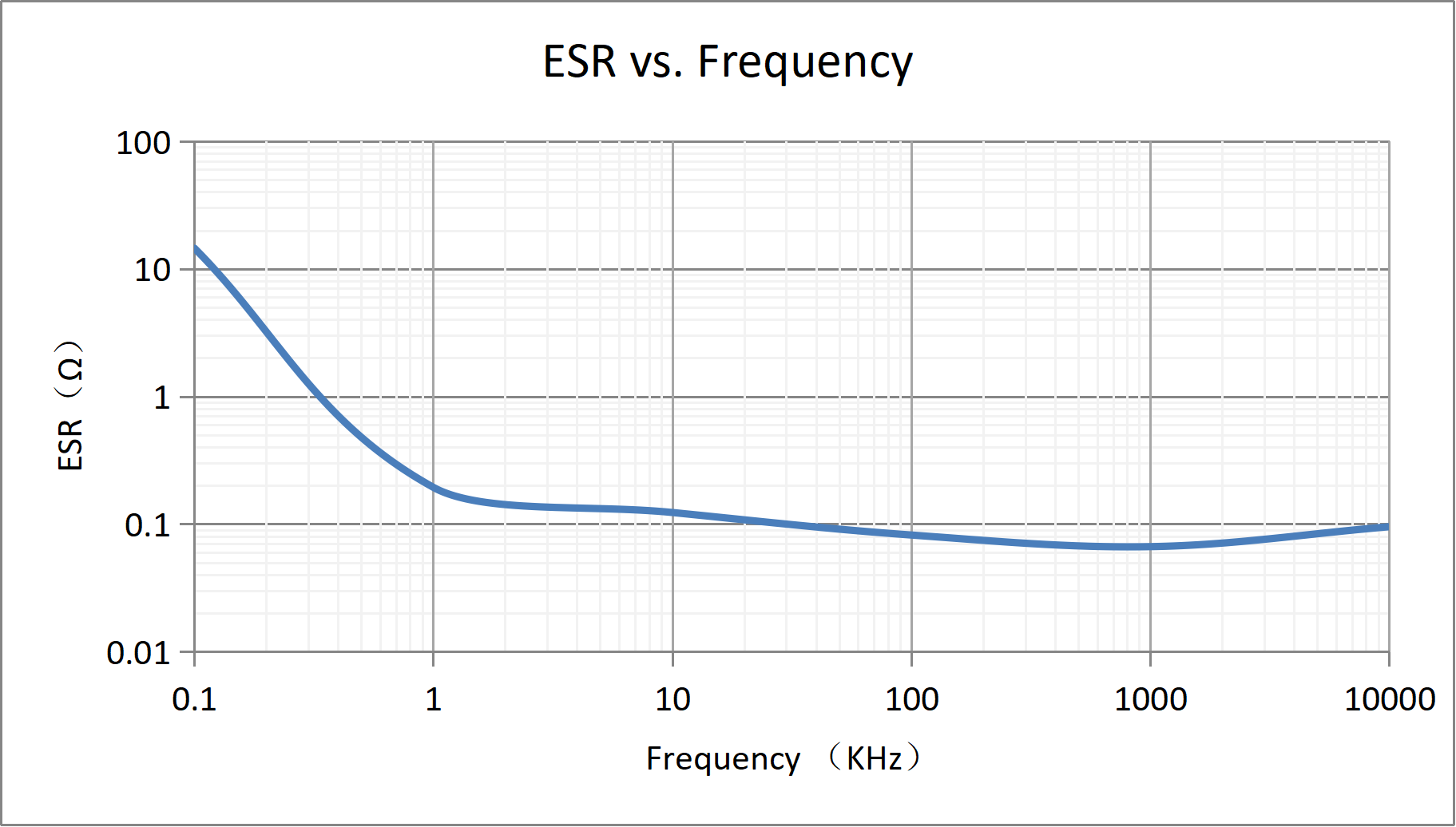
[Figure 1: Relationship between Equivalent Series Resistance (ESR) and Frequency]
This curve illustrates the ESR characteristics of YMIN polymer tantalum capacitors across the entire frequency range (0.1kHz~10kHz)—the ESR decreases rapidly with increasing frequency and enters its lowest plateau region (approximately 0.0826Ω) around 100kHz. The typical ESR value of YMIN’s TQW19/TQD19 series at 100kHz is 120mΩ max, which closely matches the high-frequency data on the curve. This means that in the actual operating frequency range of SSDs (hundreds of kHz), the equivalent resistance of YMIN tantalum capacitors has been reduced to a minimum, and will not become a bottleneck in the PLP charging and discharging circuit.
II. Product Reliability Guarantee: Rigorous Screening Throughout the Process, Traceable Data
YMIN regards “zero defects” as the lifeline of enterprise-level components. All ultra-thin tantalum capacitors undergo the following reliability assurance process before leaving the factory:
1. 100% Surge Testing
Each capacitor undergoes a surge impact test of 1.15 times its rated voltage and 1000 cycles before leaving the factory to ensure no premature failure.
2. Ultra-Low Leakage Current Management
Taking TQD19/TQW19 as an example, the measured leakage current is ≤100µA, far exceeding the datasheet tolerance (164.5µA), eliminating the risk of SSD power-on initialization failure from the source.
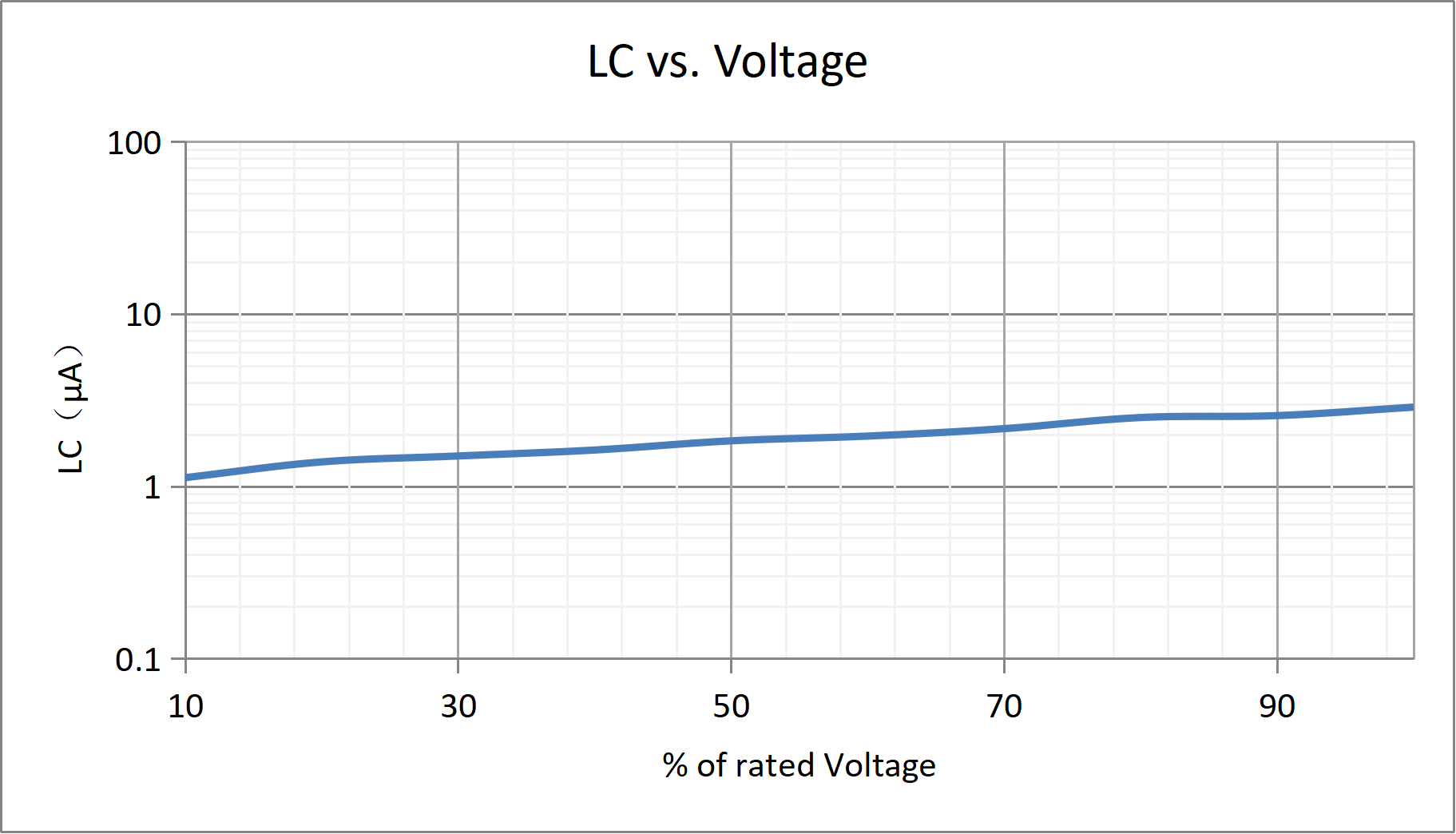
[Figure ②: Relationship between Leakage Current (LC) and Load Voltage]
This curve shows that the leakage current increases approximately linearly with increasing applied voltage, with a typical LC value of approximately 2.89µA at 100% rated voltage (35V). YMIN’s actual factory quality control adheres to even stricter standards—the measured leakage current is ≤100µA, far exceeding the typical level reflected in the curve. This curve demonstrates that the product’s basic electrical behavior conforms to physical laws and highlights the stringency of YMIN’s selection criteria (the measured value is less than 1/30th of the typical value on the curve), directly supporting the power-on reliability data.
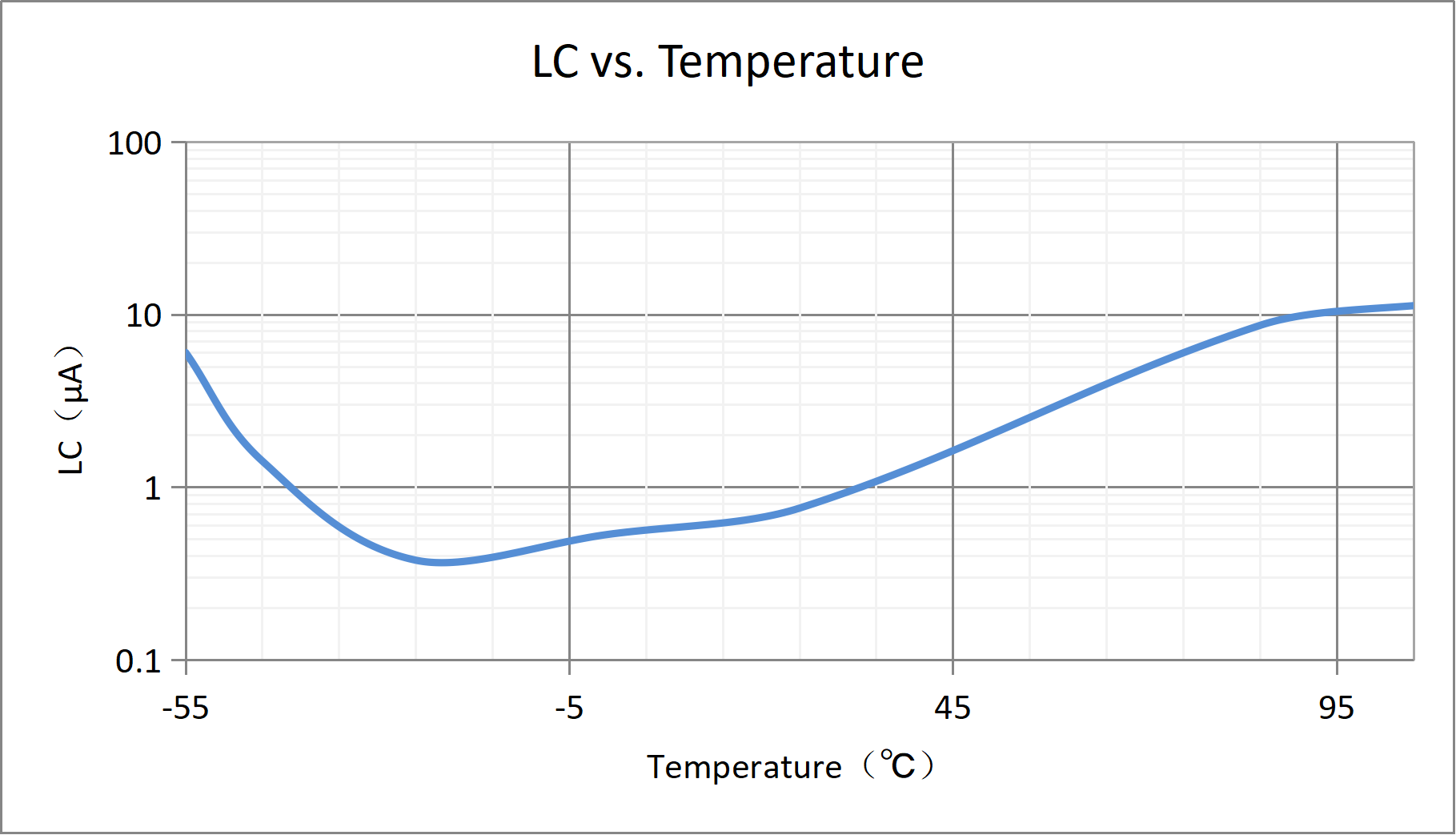
[Figure ③: Relationship between Leakage Current (LC) and Temperature]
This curve shows that LC increases rapidly after 85℃, reaching approximately 11.27µA at 105℃ and approximately 11.94µA at 125℃. YMIN products have passed 100% surge testing and aging screening, ensuring that the leakage current remains within a controllable range under high-temperature environments, preventing SSD overcurrent protection from triggering or causing power-on failure. This curve demonstrates the stability of YMIN products under high-temperature conditions in AI servers.
3. All-Solid-State Wide-Temperature Design
Operating temperature range -55℃ to +105℃, durability 2000 hours at 105℃, ensuring long-term stable operation under 7×24-hour high-temperature conditions in AI servers.
III. Customer Case: Pain Points of Japanese Capacitor Application Failure and YMIN’s Solution
Case Background
A leading global AI server and storage module manufacturer originally used Japanese TQC/TQS series tantalum capacitors in its E1.S SSD and ultra-thin U.2 projects.
Three major pain points encountered with the original solution:
1. Batch quality fluctuations: Excessive leakage current in some batches of capacitors caused SSD power-on initialization failures, increasing the overall return rate and after-sales maintenance costs.
2. Tightening supply capacity: Original equipment manufacturer (OEM) capacity is shifting towards the automotive-grade market, leading to a tightening supply of data center-grade ultra-thin tantalum capacitors. The supply of TQS 1.4mm thickness capacitors has continued to deteriorate, with lead times extended to 14-16 weeks, directly disrupting customers’ mass production ramp-up plans.
3. Electrical performance limitations: While Japanese products generally have lower individual ESR, their ESL parameters are relatively high, limiting the overall circuit performance under high-frequency transient loads.
YMIN’s targeted solution
| Pain Points | YMIN Solutions | Achieved Benefits |
| Excessive leakage current | 100% surge screening + measured leakage current ≤ 100μA | Failure rate of power-on initialization approaches 0 |
| Long lead time of 14–16 weeks | Standard lead time: 6–8 weeks; rush order lead time: 4 weeks | Guarantee the ramp-up schedule of mass production |
| High equivalent series inductance (ESL) | Bottom terminal structure, ESL reduced by approx. 50% | Total loop resistance 10% lower than Japanese brands |
| Supply shortage of ultra-thin specifications | Stable supply of TQD15 (1.5mm thickness) | Eliminate supply disruption risks |
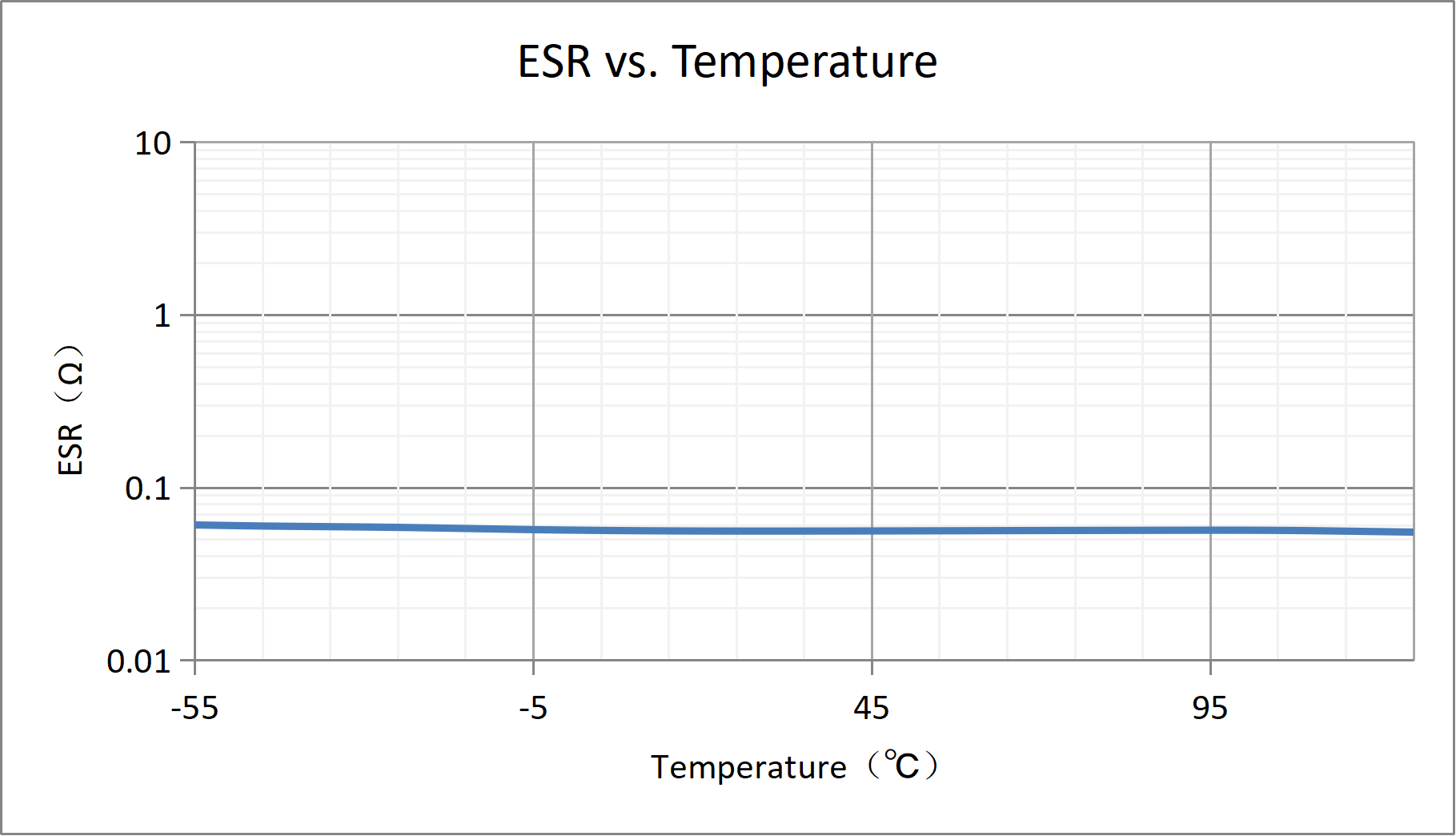
[Figure 4: Relationship between Equivalent Series Resistance (ESR) and Temperature]
This curve shows that the ESR of YMIN polymer tantalum capacitors fluctuates very little (approximately 0.055Ω~0.061Ω) across the entire temperature range (-55℃~125℃). This means that in the actual operating environment of an AI server (45℃~85℃), the ESR will not deteriorate due to temperature rise, ensuring that the PLP performance remains consistent throughout its entire lifespan.
IV. Verification by Actual Measurement Data: PLP Performance Completely Surpasses Other Capabilities
Both were tested back-to-back under identical conditions:
U.2 Ultra-thin Disk Project (TQD15 vs. Japanese TQS 47µF/35V)
| Pain Points | YMIN Solutions | Achieved Benefits |
| Excessive leakage current | 100% surge screening + measured leakage current ≤ 100μA | Failure rate of power-on initialization approaches 0 |
| Long lead time of 14–16 weeks | Standard lead time: 6–8 weeks; rush order lead time: 4 weeks | Guarantee the ramp-up schedule of mass production |
| High equivalent series inductance (ESL) | Bottom terminal structure, ESL reduced by approx. 50% | Total loop resistance 10% lower than Japanese brands |
| Supply shortage of ultra-thin specifications | Stable supply of TQD15 (1.5mm thickness) | Eliminate supply disruption risks |
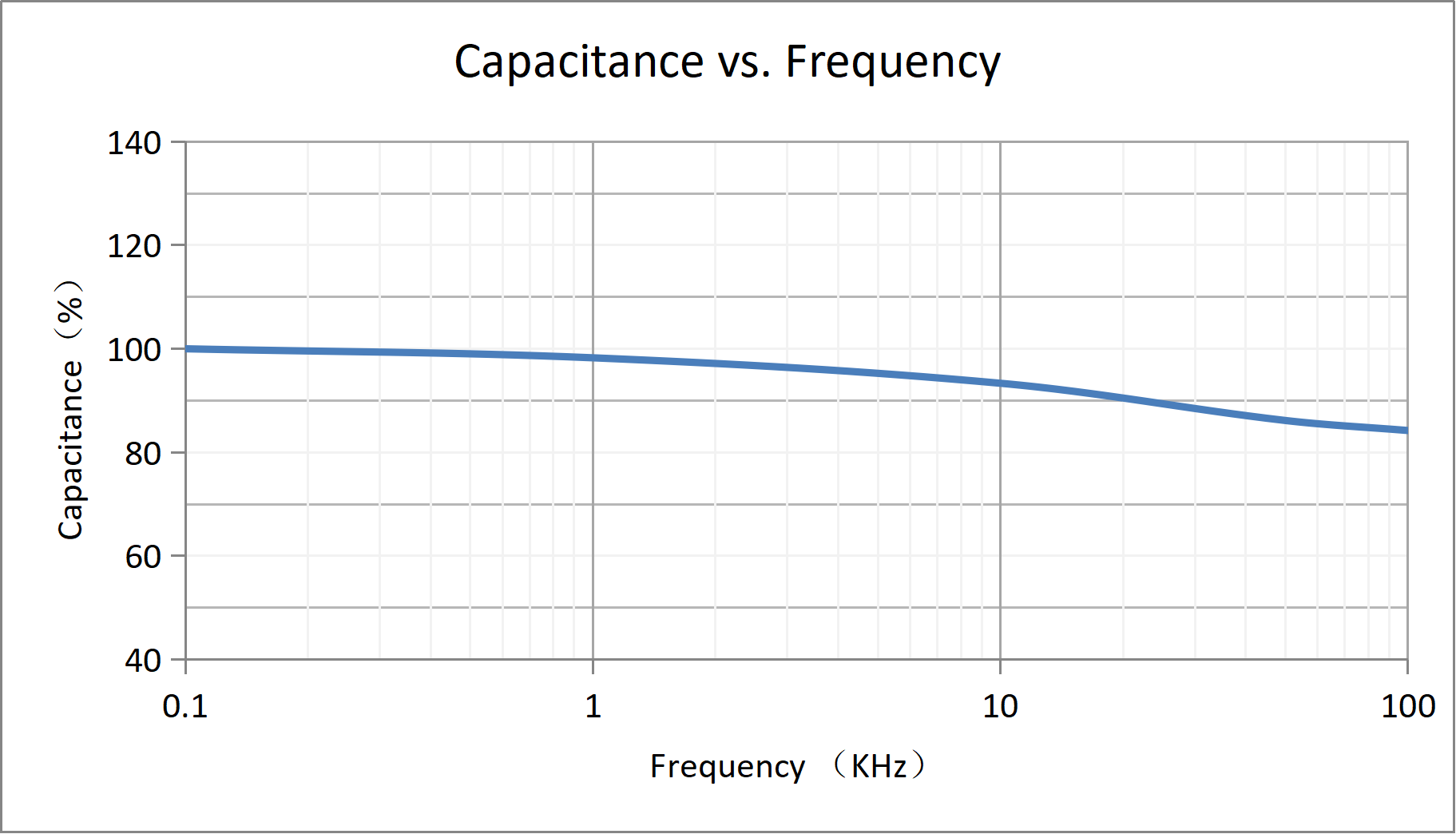
[Figure 5: Relationship between Capacitance and Frequency]
This curve demonstrates the capacitance retention capability of YMIN polymer tantalum capacitors across the entire frequency band (0.1kHz~100kHz)—maintaining a capacitance retention rate of over 84% even at 100kHz. For SSD applications, power outage PLP occurs in the DC to low-frequency range (with virtually no capacitance degradation), and high-frequency ripple suppression during normal read/write operations eliminates concerns about excessive capacitance degradation.
V. Four Core Values for Customer Implementation
Choosing YMIN as your tantalum capacitor partner will bring you:
1. Elimination of Interference Risk: Completely eliminates interference risks caused by excessively high capacitance; achieves 0% data loss in rigorous PLP testing (2000 abnormal power outages, sample size ≥100 pieces), reducing the power outage data loss rate in practical applications to the engineering limit.
2. Mitigation of Supply Chain Risks: Compared to comparable Japanese models, capacitor procurement costs are reduced, directly lowering the overall system cost;
Standard delivery time is 6-8 weeks, with a negotiable emergency delivery time of 4 weeks, avoiding production line downtime losses due to imported material shortages.
Domestic brand, product quality can completely replace Japanese products, and material supply is guaranteed.
3. Eliminate early failure: Strict 100% surge screening and leakage current measurement control (leakage current of each capacitor is far below the specification limit), significantly reducing the power-on initialization failure rate caused by batch defects in capacitors and effectively improving early return rates.
4. Increase revenue: In typical enterprise-level SSD PLP testing (12V bus, 45℃ environment), compared with low-voltage Japanese solutions, YMIN’s ultra-thin tantalum capacitors have a 60% longer PLP hold-up time, providing customers with a high-reliability technical selling point.
VI. Certification and Business Cooperation
Certification: YMIN’s ultra-thin polymer tantalum capacitor series has fully passed RoHS, REACH, and HF certifications, meeting the most stringent global environmental regulations.
Business Cooperation: Shanghai YMIN Electronics provides a full-process original manufacturer one-stop service from selection evaluation and sample testing to joint verification of the entire system. We look forward to in-depth cooperation with more SSD and server manufacturers who pursue excellence to jointly build a more resilient and competitive supply chain system. Contact us now to get free samples and technical information, and experience our plug-and-play ultra-thin tantalum capacitor upgrade solution that requires no PCB modifications.
Post time: Jun-17-2026